When Love Costs Something

Sometimes the most powerful stories are the ones told without words.

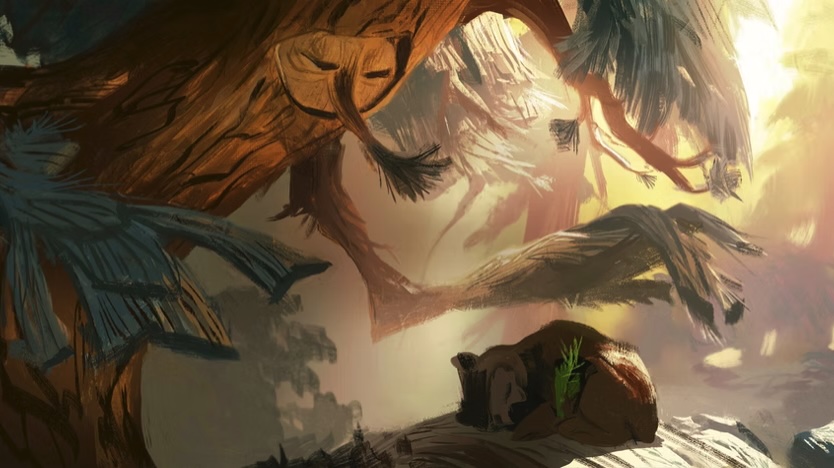
Forevergreen is a remarkable animated short film — brought to life by over 200 artists who donated their time and talent over five years — that tells its entire story without dialogue. It’s a visual and emotional journey about an orphaned bear cub who finds a home with a fatherly evergreen tree, only to be drawn away by temptation and danger before ultimately facing the choice of whether to return.

The film has captivated audiences at festivals around the world and is even nominated for an Academy Award® for Best Animated Short Film, a testament to its depth, artistry, and emotional resonance.

But beneath the handcrafted beauty and heart-tugging narrative lies something even more profound — a reflection of the mystery and cost of true love.


From Screen to Heart: Seeing Real Love in a Story

At first glance, Forevergreen may seem like a simple tale of friendship between a bear and a tree. But the deeper you watch, the more you realize this story isn’t just about nature — it’s about relationship, separation, consequence, and redemption.

The evergreen gives the bear a home and teaches it how to survive. But when the cub is tempted by easy rewards (symbolized in the film by trash and junk), it wanders into danger. Left to face the consequences of its choices, the bear must come to terms with what it has lost — and what it risks losing forever.

This narrative reflects something familiar to all of us: the struggle between what is easy and what is right, between temptation and wisdom, between self-interest and love.

“Forevergreen takes the powerfully moving truth of divine love and couches it in such an entertaining and emotional way…”
— Review quoted on the official film site.


True Love Is a Choice, Not Just a Feeling

Everyday life gives us countless echoes of the same theme.

  • A parent sacrificing sleep and personal plans to care for a sick child
  • A firefighter running into danger to rescue strangers
  • A friend showing up when it would be easier to stay away

These moments may be small and unseen, but they all share something important: love is not simply felt — it is chosen.

Sacrificial love requires us to deny ourselves, to face discomfort, to choose someone else’s well-being over our own convenience. That’s why these quiet acts resonate so deeply within us.


The Perfect Example: Jesus, the Sacrificial Love

All of the moments of love we see on screen or in everyday life point to a deeper truth — a love that is not learned from a script or born out of convenience, but lived out at a cost.

Jesus of Nazareth described this kind of love in the clearest terms recorded in Scripture:

“Greater love has no one than this: to lay down one’s life for one’s friends.”John 15:13

He didn’t just speak these words — He embodied them. At the cross, Jesus willingly laid down His life not for perfect people, but for flawed humanity. He chose sacrifice so that we might be restored, forgiven, and known. His was not a love of comfort — it was a love of cost.


The Moment Everything Became Clear

As Forevergreen unfolds, the story becomes more than just a charming animated journey — it becomes a mirror. It asks us:

  • What do we chase?
  • Who do we turn to when we are in danger?
  • What does love cost us — and what cost are we willing to pay?

And in that reflection, we see the truth Jesus taught us — that love is most deeply revealed not in ease, but in laying down what we hold most dear.

**There truly is…
no greater love.


Reflection & Prayer

Think about this:
Who in your life is God asking you to love sacrificially today?

Prayer:
Lord, help us to see love not as a feeling but as a choice. Teach us to lay down our lives in small ways that reflect Your great sacrifice for us. Give us courage to choose love over ease, and selflessness over comfort. Amen.

David Almgren – Two Pastors, Popcorn and a Movie Podcast and FaithandFamilyFilms.Com

I Can Only Imagine — From Song to Movie to Viral Cover and a Sequel on the Way

Some songs don’t just play in the background — they stay with you. They surface in quiet moments, in grief, in gratitude, in worship. “I Can Only Imagine” is one of those rare songs.

When MercyMe’s Bart Millard first wrote it, he wasn’t chasing a hit. He was processing a lifetime of pain, forgiveness, and redemption — especially the complicated relationship with his father that would ultimately shape the song’s meaning. What followed was something no one could have predicted. “I Can Only Imagine” became one of the most-played and best-selling Christian songs of all time, earning multi-platinum status and embedding itself into the lives of listeners around the world.

Years later, that song became a story on the big screen. In 2018, I Can Only Imagine arrived in theaters as a modest, faith-based independent film — and quietly became a phenomenon. Word of mouth carried it from church groups to mainstream audiences, eventually driving the film to nearly $86 million worldwide. For many viewers, it wasn’t just a movie night. It was a deeply personal experience — one that reminded them of their own journeys with faith, family, and forgiveness.

Now, that story is finding new life once again.

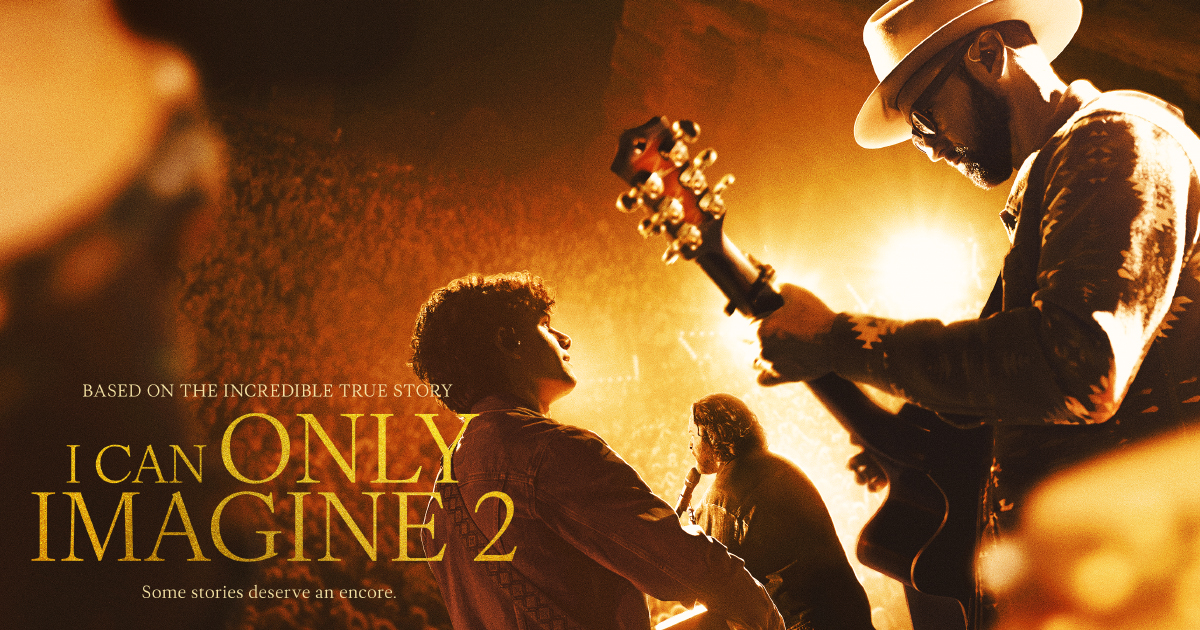
As anticipation builds for I Can Only Imagine 2 — opening in theaters nationwide on February 20, 2026 — the song that started it all is resonating with a new generation of listeners. And unexpectedly, that resurgence has been fueled by a familiar voice from an entirely different world.

Todd Hoffman — known to many from Gold Rush — recorded a heartfelt cover of “I Can Only Imagine” for the first film’s online promotion. There were no grand expectations. Just a simple performance, grounded in sincerity. And once again, people leaned in.

The video began spreading organically. On YouTube, it climbed past 2.7 million views, carried not by algorithms alone but by people sharing it with intention. On Facebook, the response was immediate and emotional — surpassing one million views in less than two days, and continuing on to more than 10 million plus views as friends tagged friends and families shared it with their own reflections attached. The song didn’t stay in one place; it moved through timelines, private messages, and comment sections filled with personal stories.

Instagram echoed that momentum in its own way. Clips tied to the song and the upcoming sequel sparked strong engagement, with fans stopping mid-scroll to listen, reflect, and respond. And on Twitter, the video traveled through retweets and reactions — short, simple posts that said everything a metric couldn’t: this still matters.

But the most telling response wasn’t in the numbers.

It was in the comments.

People described the cover as beautiful. Inspiring. Exactly what I needed today. Others admitted it brought them to tears, or gave them chills hearing a familiar song through a new voice. Many paired the music with their excitement for the sequel — sharing memories of what the original film meant to them and anticipation for what’s coming next.

That reaction reveals why this story endures.

I Can Only Imagine has never been just about a song or a movie. It’s about what happens when honesty meets hope — when brokenness finds grace. The original film told the story of how a painful past gave birth to a powerful message. The upcoming sequel continues that journey, carrying forward the same heart, faith, and emotional truth that audiences connected with the first time.

As I Can Only Imagine 2 prepares to open in theaters nationwide on February 20, 2026, the renewed response to the song — and to Todd Hoffman’s cover — feels less like nostalgia and more like a reminder.

Some stories don’t fade. They wait for the right moment to be heard again.

Whether through a song, a cover, or a seat in a movie theater, I Can Only Imagine continues to invite us to pause — to reflect — and to imagine something greater, together.

Dave Almgren – Two Pastors Popcorn and a Movie Podcast


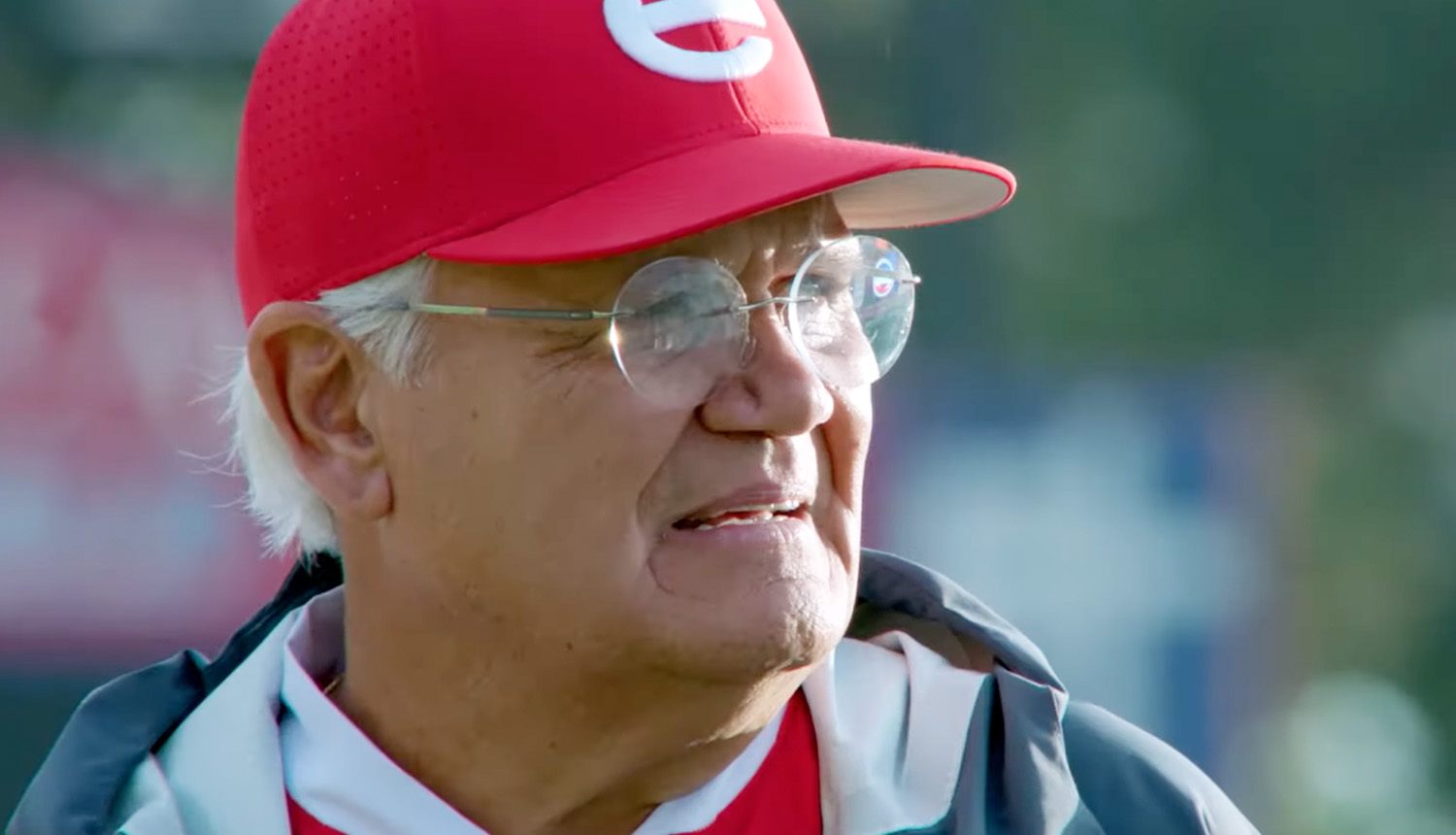
Unfinished Business: The Inspiring True Story of Mike Flynt and The Senior

The Senior is more than just a sports film — it’s a powerful testament to courage, redemption, and the idea that it’s never too late to finish what life started. The movie tells the true story of Mike Flynt, a man who chased an unfinished dream nearly 40 years after it began.

Who Is Mike Flynt?

Mike Flynt was a standout high school linebacker in Odessa, Texas — part of the Permian High School team that won the state championship in 1965. He went on to play linebacker at Sul Ross State University and served as team captain, but his college football career ended abruptly before his senior season due to off-field trouble and disciplinary issues. That loss weighed on him for decades.

The Comeback at 59

In 2007, at 59 years old, Flynt did something almost no one believed he would: he returned to Sul Ross State to finish his college football career. A chance conversation with old teammates at a reunion challenged him to act on his regrets. After confirming he was still technically eligible, he walked on to the team, becoming one of the oldest college football players in NCAA history.

Instead of glory, his comeback was about redemption, grit, and purpose — proving age is no barrier to pursuing unfinished dreams.

From Real Life to the Big Screen

The film The Senior, directed by Rod Lurie and starring Michael Chiklis as Mike Flynt (with Mary Stuart Masterson as his wife Eileen), dramatizes this remarkable journey. At its heart, the story isn’t just about football — it’s about integrity, reconciliation, and family (themes that echo strongly if you watch the video about Mike’s story).

Through both heart-pounding gridiron scenes and quieter, emotional moments, The Senior invites audiences to reflect on:

  • What we would do for a second chance
  • The courage it takes to make peace with the past
  • How community, family, and faith can fuel a comeback

The tagline — it’s hard to believe it’s a true story — isn’t just a marketing line. It’s a challenge to every one of us: What dream have you set aside that’s still waiting to be pursued?

David Almgren – Two Pastors, Popcorn and a Movie Podcast
God. Family. Football. A Life Story of Faith, Mentorship, and Legacy

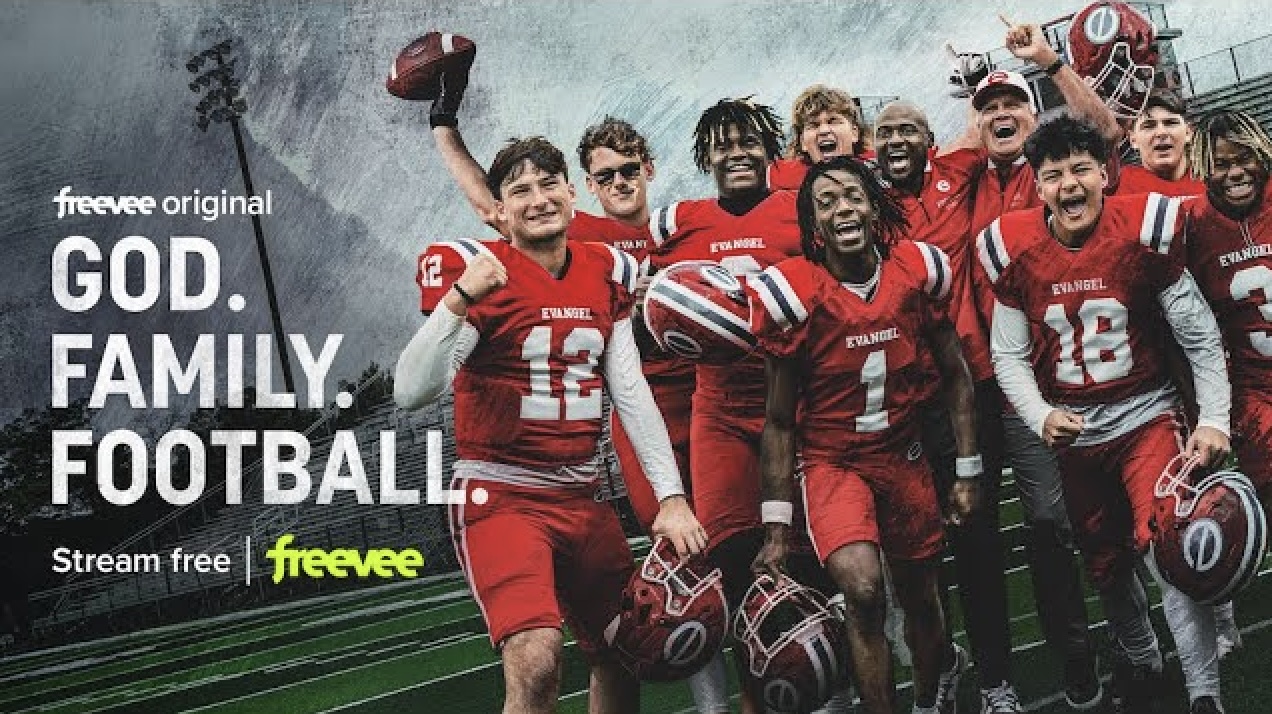
I first met Pastor Denny Duron back in the 1990s at youth retreats in Oregon. Even then, long before God. Family. Football. existed on screens, there was something unmistakable about his passion — not just for football but for each young life he ministered to. That early impression has only deepened now that the world gets to see his story unfold on Amazon Freevee and Fox Nation.

From Quarterback to Pastor-Coach: A Life Built on Faith

Duron’s journey began on the football field long before there was a docu series. Born in 1952 in Texas, he was a standout quarterback at Louisiana Tech University, leading the Bulldogs to back-to-back Division II national championships in 1972 and 1973 and earning all-conference honors.

After a brief professional stint — including time in the World Football League and signing with the Washington Redskins — God’s calling took him out of the limelight and into ministry. It was that same sense of calling that later brought him back into football, but with a renewed purpose: using the game as a platform to mentor young men in faith, character, and life beyond the field.

Duron founded the football program at Evangel Christian Academy in Shreveport, Louisiana, and over decades the Eagles became a powerhouse — with numerous state championships and recognition as one of the nation’s top high school programs.

Today he wears many hats — pastor of Shreveport Community Church, chancellor of Evangel Christian Academy, coach, author, and communicator of faith — yet his message remains consistent: God first, family second, and football third.

The Series: Real Lives, Real Faith

God. Family. Football. premiered on Amazon Freevee in September 2023 and has since gained new life on Fox Nation, where Season 2 and beyond continue to follow the Eagles’ journey.

Unlike typical sports documentaries, this series isn’t just about wins and losses. Centered on the 2022 season, it highlights:

  • The emotional and spiritual growth of players
  • Real struggles off the field — family issues, personal goals, and pressures of adolescence
  • The profound impact of mentorship and community support

Through the cameras, viewers see what I saw in person all those years ago — a coach who genuinely cares about who his players become, not just how they perform.

Season 3, which premiered in August 2025 on Fox Nation, introduces new storylines — including rising quarterback Peyton “Pop” Houston and Damari “DayDay” Drake’s moving journey through family reconciliation — reinforcing that this isn’t just about football, but life’s victories and setbacks.

Why This Story Matters

What sets God. Family. Football. apart is its heart. Yes, there are incredible athletic moments and dramatic Friday night lights. But at its core is a message about faith-first living — a principle I witnessed firsthand from Pastor Duron decades ago. He’s not just coaching players. He’s shaping character. He’s modeling resilience. He’s pointing to a purpose bigger than any scoreboard.

And that’s what keeps audiences coming back season after season. Viewers resonate with the idea that football is real, but faith and family are deeper still.

David Almgren – Two Pastors, Popcorn and a Movie Podcast

A Great Awakening: A Powerful New Film from Sight & Sound Coming Easter 2026

Sight & Sound Films, the storytellers known for bringing faith-centered, history-inspired stories to life, are set to release their latest cinematic journey, A Great Awakening, on April 3, 2026, in movie theaters nationwide. This inspiring historical drama arrives at a meaningful moment — coinciding with the 250th anniversary of America’s founding — and promises to engage audiences with a compelling blend of faith, freedom, and the human spirit.

A Story That Shaped a Nation

Set in the tense years before the American Revolution, A Great Awakening tells the true story of an unlikely friendship that played an instrumental role in shaping the moral and spiritual foundations of a nation. At the heart of the film is Reverend George Whitefield, the charismatic preacher whose sermons sparked the first Great Awakening, a sweeping spiritual renewal that united communities across the colonies.

As the colonies teetered on the brink of collapse, Whitefield’s voice echoed through towns and cities, inspiring a generation to embrace faith as a catalyst for liberty. Along the way, he forged a remarkable friendship with Benjamin Franklin, one of America’s most influential Founding Fathers. Through this relationship, the film explores how true freedom isn’t just codified in laws — it’s awakened in people’s hearts.

Director Joshua Enck, who also serves as President & Chief Story Officer of Sight & Sound, explains that the film’s mission is to remind audiences how ordinary people — guided by extraordinary faith — can help steer the course of history.

From Stage to Screen: Sight & Sound’s Expanding Vision

Sight & Sound has spent more than five decades delighting audiences with immersive live productions attended by millions at their theaters in Pennsylvania and Missouri. Their transition into feature film making builds on this legacy of dramatic storytelling and spiritual depth. A Great Awakening follows earlier Sight & Sound films like I Heard the Bells (2022) and NOAH — Live!, expanding their reach into cinema through partnerships with distributors like Roadside Attractions.

Audiences can expect the same epic scale, richly detailed sets, original music, and human storytelling that have become hallmarks of Sight & Sound’s creative work — now crafted for the big screen with a nationwide theatrical release.

Early Audience Buzz

Reaction to the film’s first trailer has been enthusiastic. As one viewer put it:

“The trailer for the movie knocked me out with how good this film looks. A must see movie.”Nick, Stamford CT

That kind of excitement suggests A Great Awakening won’t just be another historical drama — it could become a meaningful experience for anyone who loves stories about faith, freedom, and transformative friendships. Make plans to embark on a cinematic journey this coming Easter! In theaters April 3rd, 2026.

David Almgren – Two Pastors, Popcorn and a Movie Podcast
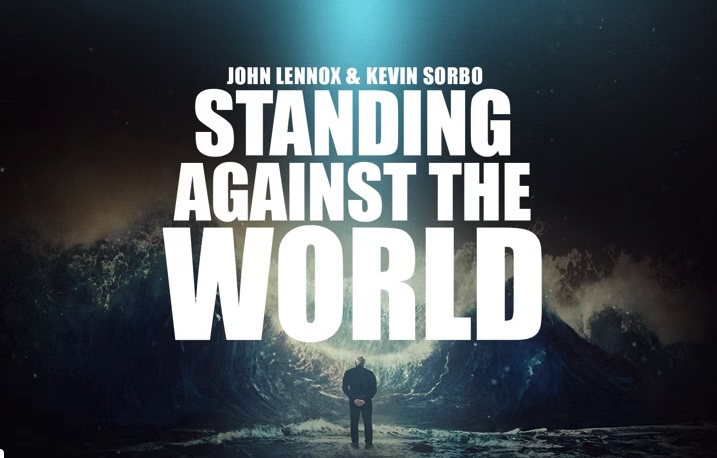
Carman: A Story That Still Preaches

I went to many Carman concerts over the years—packed arenas, standing-room floors, people from every background coming together for one reason: to encounter something bigger than themselves. Carman didn’t just put on a show. He preached. He invited. He challenged. And every night, you could feel his heart to reach the lost.

That’s why the vision for a Carman movie matters so much.

Long before faith-based films became a movement, Carman was already telling cinematic stories from the stage. His concerts were theatrical. His songs were visual. His messages were intentional. He understood the power of story—and he believed God could use creativity, excellence, and bold faith to reach people who might never step inside a church.

As I’ve followed the development of this film—through Jack Vale’s commentary, CarmanMovie.com, coverage on CBN News, insights connected to Angel Studios, and the powerful Torch video presented to the Guild—one thing has been clear: this project isn’t driven by nostalgia. It’s driven by legacy.

Jack Vale has been intentional about honoring not just Carman’s success, but his obedience. This isn’t about platinum records or sold-out crowds. It’s about capturing the heart of a man who saw music as a mission field and the stage as a pulpit. Carman believed faith didn’t need to be watered down to be effective—and that excellence was part of the calling.

That belief shaped everything he did.

Carman lived with a deep sense of urgency. Every concert mattered. Every song had purpose. Every invitation was real. He wanted people to leave changed—and many did. Long before faith-based media found its footing in theaters, Carman was paving the way with bold storytelling and unapologetic faith.

From what’s been shared so far, the film doesn’t shy away from the full story. It honors the faith that carried Carman through cancer, through doubt, and through moments when quitting might have been easier. It reminds us that obedience often comes at a cost—but it also leaves an eternal impact.

This movie isn’t just about looking back. It’s about reminding a new generation what bold faith looks like.

For those of us who grew up with Carman’s music, this film will feel like a reunion. For those discovering him for the first time, it will be an introduction to a faith that stands tall, speaks clearly, and refuses to apologize for the truth of the Gospel.

Carman spent his life asking one simple question: How do we reach one more?

His voice may be gone, but his message still preaches. And this film feels like a continuation of that calling—one more story, one more audience, one more opportunity to point people to Jesus.

David Almgren – Two Pastors, Popcorn and a Movie Podcast