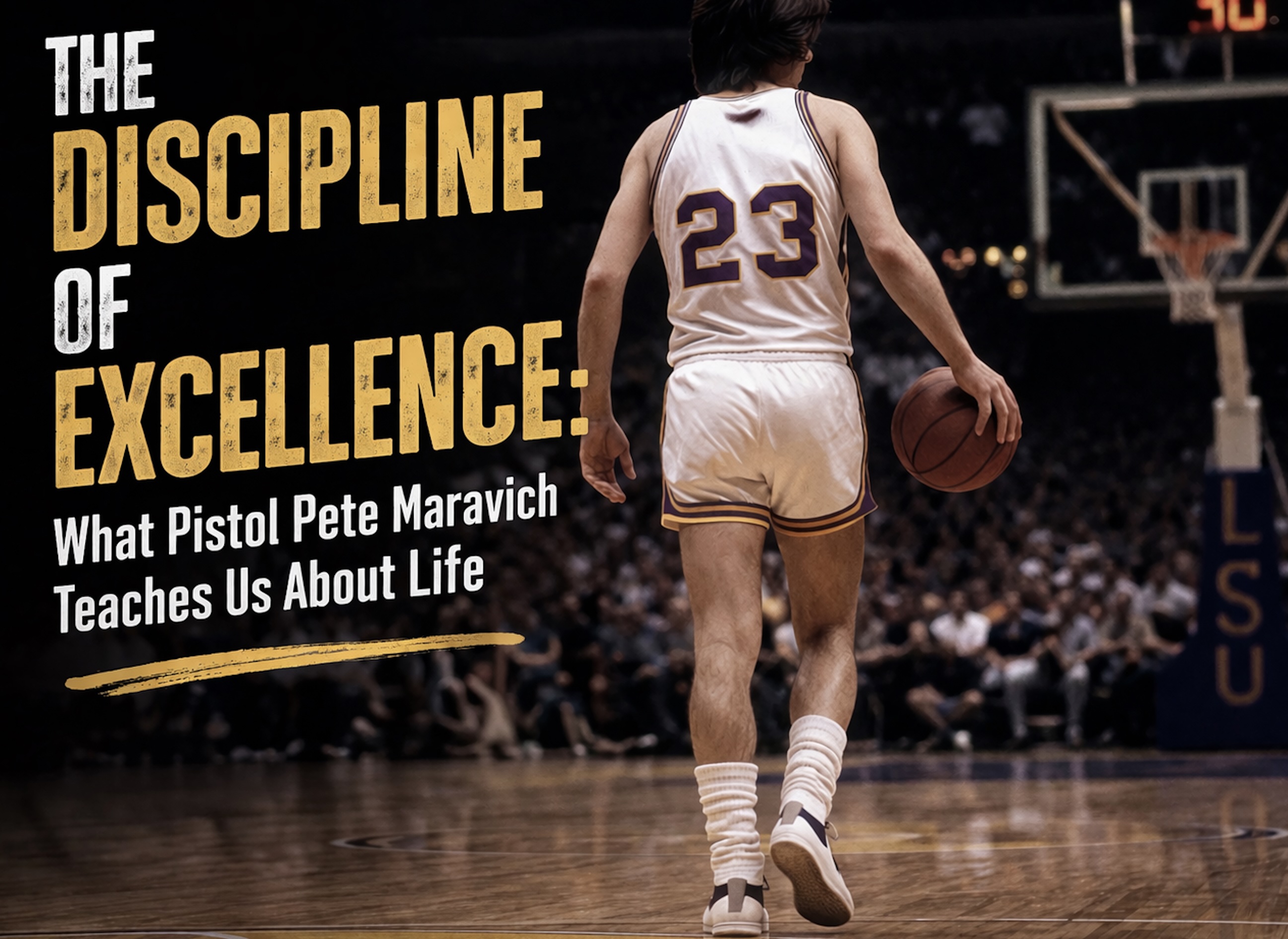
The Discipline of Excellence: What Pistol Pete Maravich Teaches Us About Life

What does it take to reach the pinnacle of success?

That’s the question that haunts many of us. We look at the people who seem to have it all, the accolades, the money, the recognition, the standing ovations, and we wonder – is that enough? Does reaching the top of your field finally answer the deep questions we carry about meaning and purpose?

Pistol Pete Maravich spent his entire life answering that question. And his answer might surprise you.
Screenshot

The Foundation: A Father’s Vision

Before Pete Maravich became a legend, before the arenas filled with fans eager to watch him play, there was a father named Press Maravich who had a vision. He believed his son could be great, not eventually, not someday, but through relentless, daily discipline.

So Press did something unconventional. He made Pete practice everywhere. Not just on the court, but in the car. As they drove down the street, Pete would dribble a basketball out the window while his father drove. The ball would bounce off the pavement, the railroad tracks, the curb — anywhere and everywhere. It wasn’t glamorous. It wasn’t Instagram-worthy. It was just a father and son, committed to the small, daily practices that separate the good from the great.

This wasn’t punishment. This was love expressed through discipline. This was a father saying: “I believe in you so much that I’m going to push you to be better than you thought possible.”

The Long Road to Mastery

That childhood discipline carried Pete through his college years at Louisiana State University. By the time he finished his NCAA career, he had set a scoring record that would stand for decades — 3,667 points before the three-pointer was even introduced to the game. Let that sink in. In an era when the three-pointer didn’t exist, Pete Maravich was scoring at a rate that seemed almost impossible.

How? The same way his father had taught him. Through discipline. Through showing up. Through the railroad tracks and the car windows and the relentless commitment to getting one percent better every single day.

His peers knew it. Larry Bird, one of the greatest shooters ever to play the game, said that Pistol Pete was “one of the truly great players that could fill an arena.” Pat Riley, the legendary coach, said Pete was “the original. He was the best ball handler I ever saw. Ever.” These weren’t casual compliments. These were tributes from people who understood excellence because they pursued it themselves.

The Peak: Success, But at What Cost?

Pete Maravich made it to the NBA. He became an All-Star. He won scoring titles. He was one of the highest-paid rookies in the history of professional basketball. By every worldly measure, he had succeeded. He had climbed the mountain and planted his flag at the summit.

But here’s where Pete’s story takes a turn that most success stories don’t.

Because despite all of that, despite the money, the fame, the accolades, the respect of his peers, something was still missing. There was still an emptiness that no championship could fill, no scoring record could satisfy, no standing ovation could quiet.

Jesus said it this way: “What good is it for someone to gain the whole world, yet forfeit their soul?” Pete Maravich had gained the world. And he was beginning to realize that the world, in all its glory and recognition, was not enough.

The Real Turning Point

It wasn’t until later in his life that Pete Maravich found what he was actually looking for. He became a Christian. And when he did, everything came into focus. The discipline he had learned from his father, the relentless pursuit of excellence, the commitment to daily practice, the willingness to show up even when no one was watching, suddenly had a new direction. It had a new purpose. It had a soul.

Pete spent his later years speaking about his faith, about the emptiness of worldly success, about the fulfillment that only comes from a relationship with God. He went from playing to packed arenas to speaking in churches. He went from chasing scoring records to chasing something infinitely more valuable: meaning, purpose, and peace.

The Bridge: From Basketball to the Spiritual Life

Here’s what Pete Maravich’s life teaches us: Excellence is not bad. Discipline is not wrong. The pursuit of mastery in your field, whether that’s basketball or business or art or ministry, is noble and good.

But excellence in one area of life, without excellence in the spiritual life, leaves you empty.

Think about the discipline Pete learned from his father. Dribbling out the car window. Practicing when no one was watching. Showing up day after day after day. Getting marginally better. That’s not a basketball principle. That’s a life principle.

The same discipline that made Pete Maravich the greatest scorer in NCAA history can make you spiritually mature. The same commitment to daily practice that filled arenas can fill your soul. The same willingness to show up when it’s hard, when it’s not glamorous, when no one is watching, that’s what builds a life of genuine faith and purpose.

The Question Answered

So back to the question we started with: What does it take to reach the pinnacle of success?

Pete Maravich would tell you that reaching the pinnacle of your field is wonderful. Go for it. Practice like your life depends on it. Be disciplined. Be excellent. Be great.

But don’t stop there.

Because the real pinnacle, the real success that actually satisfies is found not in what the world can give you, but in what God offers. It’s found in discipline applied not just to your craft, but to your spiritual life. It’s found in showing up, day after day, to pursue excellence in knowing God, in growing in faith, in becoming the person He created you to be.

Pete Maravich learned to dribble a basketball out a car window. But the greater lesson his life teaches us is this: discipline the soul the way you discipline the body. Practice faith the way you practice your craft. Show up for your spiritual life the way you show up for the things the world celebrates.

Because in the end, that’s the only success that lasts.

David Almgren – Two Pastors, Popcorn and a Movie Podcast
Are You a Thermometer or a Thermostat?

We live in a world that is constantly trying to shape us. Pressures come from every direction, culture, circumstances, relationships, uncertainty—all of it working to pull us away from who we are meant to be. The question is not whether we will face these pressures. The question is, will we simply reflect them, or will we actively resist them?

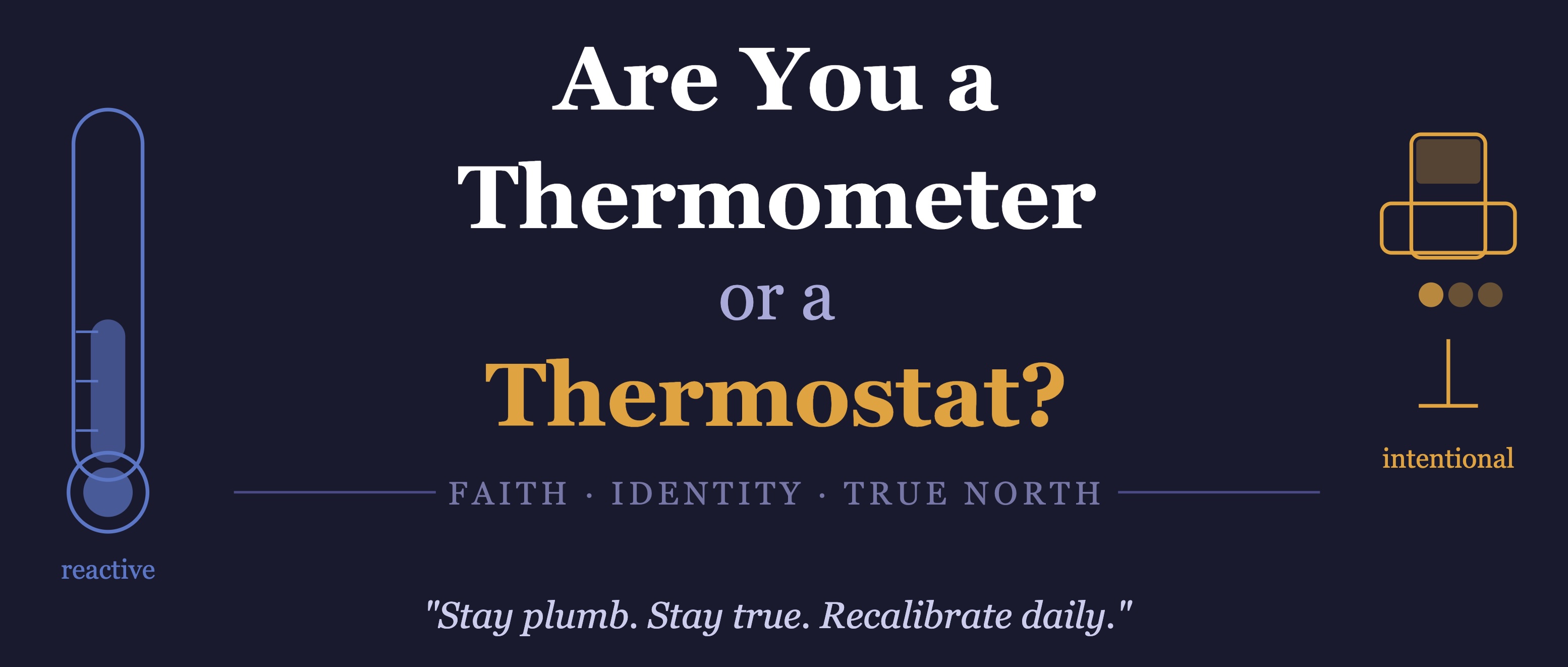
Think about a thermometer and a thermostat. A thermometer is passive. It reads the temperature around it and displays what already exists. A thermostat, on the other hand, is active. It measures the environment, yes, but then it works to change it. It sets a standard and refuses to settle for anything less. In life, we’re constantly choosing between these two modes.

Most of us drift between them without even realizing it. Some days we’re thermometers, passively absorbing whatever our surroundings throw at us. We react to stress, negativity, doubt. We let circumstances dictate our mood, our choices, our direction. But other days—the better days—we become thermostats. We make deliberate choices that shape not just ourselves but the people and spaces around us.

The ancient proverb warns us about this drifting: “All we like sheep have gone astray.” There’s something in our nature that pulls us off course. We’re not naturally inclined to stay true. And there’s a spiritual principle here that’s worth understanding. There’s a phrase about sin that captures this perfectly: it will take you further than you want to go, make you pay more than you want to pay, and make you stay longer than you want to stay. Environment shapes behavior. What we take in influences what we give out. And if we’re not vigilant, we end up somewhere we never intended to be.

For those of us who follow Christ, there’s a framework for understanding this. Romans reminds us that we’ve all sinned and fallen short. But it also tells us about God’s gift of eternal life through Jesus. The key is recognizing that staying true isn’t something we do alone. It’s something we do in constant connection with our faith, our community, our spiritual practices.

Think of a carpenter’s plumb line. It’s a simple tool, a weight on a string—but it ensures that what’s being built is perfectly vertical, perfectly true. If you’re off by just a fraction at the beginning, by the time you’ve built several stories, you’re completely crooked. The same principle applies to our lives. Small deviations compound. A slight tilt to the right or left, ignored long enough, and you’re no longer heading toward your destination.

NASA understands this principle too. When a rocket launches toward the moon, if its trajectory is even slightly off in those first moments, it will miss the mark entirely. Space is vast and unforgiving. Precision matters from the very beginning.

During the pandemic, I experienced this firsthand. Anxiety and overwhelming uncertainty crept into my mind each day. The future felt unknowable. Fear wanted to be my constant companion. But I discovered something that became my anchor: Scripture. Promises from God’s Word. When I quoted those promises—when I reminded myself of my identity in Christ, of the certainty I have as a believer, I could take my eyes off the uncertain and fix them on something immovable. That practice of recalibration, of constantly returning to truth, saved me.

And here’s the thing: it wasn’t just a daily practice. Some days it was hourly. Some moments it was minute by minute. Staying true requires vigilance. It’s like flying an airplane. You can’t fall asleep at the controls. You can’t look away from your instruments. You have to be constantly aware of where you are, who you’re with, and whether you’re still on course.

Which brings me to the maps application on your phone. You punch in a destination, and the app guides you turn by turn. But the moment you deviate, the moment you turn left when it says turn right, the app doesn’t give up on you. It simply recalculates. “Recalibrating, recalibrating, recalibrating.” It keeps adjusting until you’re back on course. Sometimes the recalibrated route takes longer. Sometimes you wonder if you’ll ever arrive. But the alternative to following those recalibrations is getting completely lost.

That’s the spiritual reality too. Daily recalibration keeps us on point toward our destination. And what is our destination? To finish the race well. To serve the Lord with all our heart, mind, soul, and strength. To refuse to become a casualty to a culture that wants to destroy us spiritually. To keep our eyes fixed on heaven.

The films “The Forge,” “Soul on Fire,” and “Woodlawn” each illustrate this truth in different ways. “The Forge” shows us the power of mentorship and discipleship, being shaped by someone further along the journey. “Soul on Fire,” based on Jon O’Leary’s remarkable true story, shows us something even more profound. O’Leary survived burns covering ninety-five percent of his body as a young boy. He could have been defined by tragedy. He could have let his circumstances be his thermostat, setting the temperature of his life at despair. Instead, he chose to be a thermostat himself. He rose above the pain, transformed his suffering into purpose, and now influences countless others through his resilience and faith. And “Woodlawn” shows us what it looks like to hold true north even when the world pressures you to compromise, to abandon your convictions for comfort or acceptance.

These aren’t just inspiring stories. They’re blueprints. They show us that recalibration is possible. That staying true is possible. That becoming a thermostat instead of a thermometer is a choice we can make, again and again, as many times as we need to.

Your spiritual practices matter: prayer, scripture reading, community, confession, accountability. These aren’t optional extras. They’re your instruments. They’re how you read your bearings and stay on course. And when you feel yourself drifting, and you will, these are how you recalibrate.

The choice is yours. Will you be shaped by your surroundings, or will you shape them? Will you drift with the current, or will you stay plumb? Will you ignore the re-calibration alerts, or will you trust them and adjust course? Every single day, and sometimes every single hour, you get to answer that question anew. and that’s the thermostat life: active, intentional, and fixed on true north.

David Almgren – Two Pastors, Popcorn and a Movie Podcast

A Story of Faith, Love, and Purpose: The Hudson Taylor Movie Moves Toward Theatrical Release

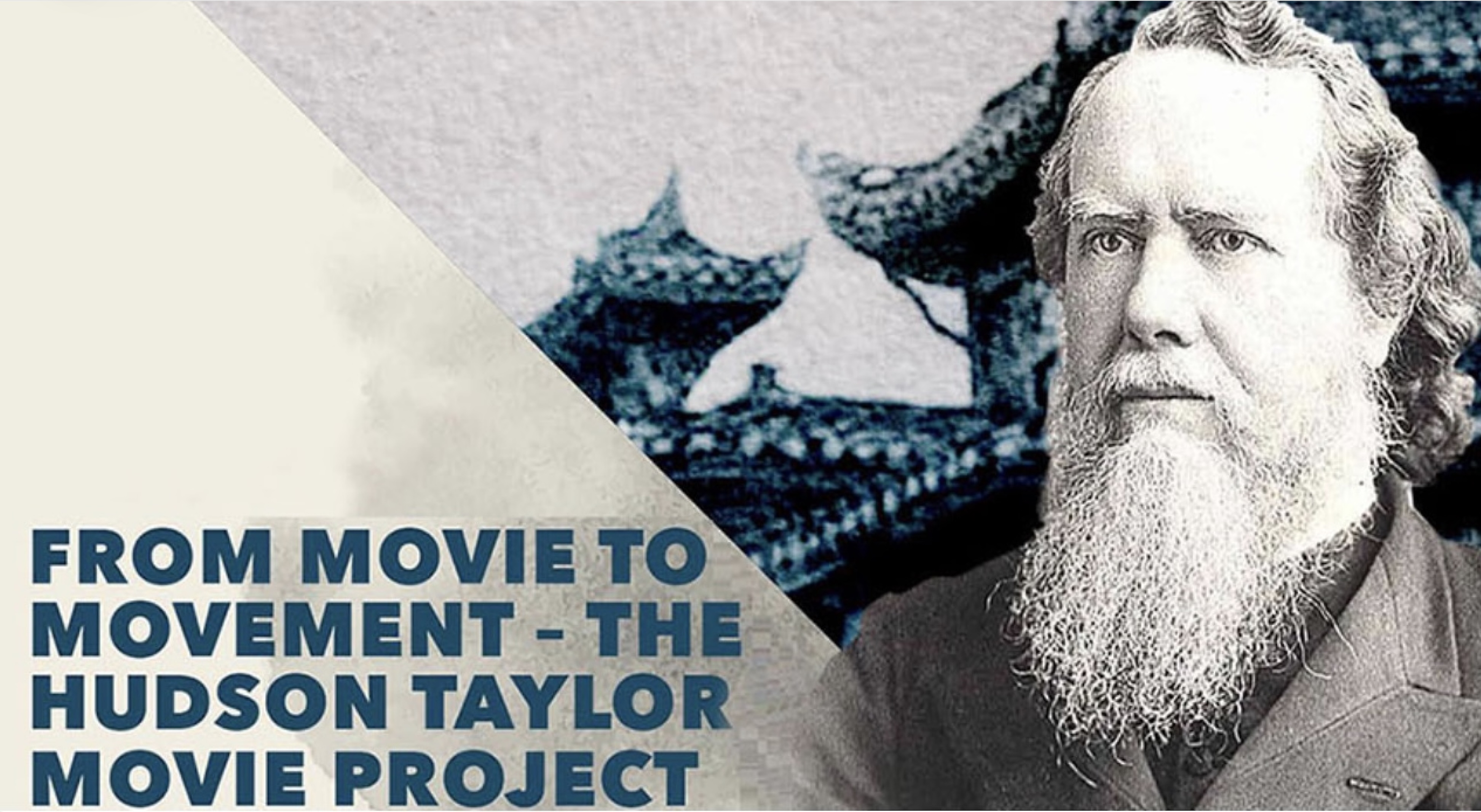
For over a decade, a remarkable film project has been quietly taking shape, a cinematic telling of the life of missionary pioneer James Hudson Taylor. Now, after years of prayer, development, and creative collaboration, this inspiring true story is moving closer to production with plans for a theatrical release that will bring Taylor’s legacy to a new generation.

Who Was Hudson Taylor?

Hudson Taylor was a British Protestant missionary born in Yorkshire in 1832 whose influence on global mission work is unmatched. Driven by a compelling call to share the Gospel with those who had never heard it, he set sail for China in 1853 and dedicated more than 50 years of his life to missionary service there. At the heart of his ministry was a radical commitment to meaningful cultural connection, Taylor adopted Chinese clothing and customs, lived among the people he served, and sought to remove every barrier that might hinder the gospel.

In 1865, he founded the China Inland Mission (CIM), now known as OMF International, which would grow to send hundreds of missionaries across China, establishing churches, schools, and medical facilities. Taylor’s work not only reshaped missions in his era but inspired generations of evangelists and Christian workers globally.

From Vision to Film: A Long Journey

The idea of a film about Hudson Taylor began as a vision to bring his extraordinary life of faith, sacrifice, and cultural love to the screen. Half Crown Media, a non‑profit film initiative commissioned by OMF International, was created in 2012 with the explicit mission of telling “inspirational, true stories of God’s faithfulness,” beginning with Taylor’s life story.

After years of development, the project has now reached critical milestones. A compelling screenplay that captures not just Taylor’s historic achievements but the depth of his relationship with God, his wife Maria, and the Chinese people has been completed with the help of seasoned collaborators. As Half Crown Media reports, Christian producer Aaron Burns brought his filmmaking expertise to the team, helping guide the development phase and refine the story’s structure. Writer Matt Mikalatos, noted for his gifts in storytelling, crafted the engaging feature‑length script that brings life to Hudson and Maria’s journey and their deep connections with the people of China.

What’s Next for the Movie?

According to Half Crown Media’s most recent updates, the project has secured significant funding and cleared major logistical and legal groundwork for production. The script has undergone careful refinement, and the team is now finalizing production details such as the director, lead cast, and shooting locations, with a particular emphasis on authenticity, cultural respect, and historical accuracy.

The Goal is Clear . . .

the Hudson Taylor movie will not only tell a powerful historical story but also serve as an inspirational catalyst for today’s audiences, encouraging viewers, especially younger generations, to reflect on their own faith, purpose, and impact in the world.

Why This Story Matters Today

More than a biographical drama, this film seeks to bridge cultural gaps and illuminate timeless truths about love, sacrifice, and devotion to a purpose greater than oneself. Taylor’s life was marked by resilience in the face of adversity, from political unrest and dangerous travel to profound personal losses — yet his faith never wavered. His belief that “God’s work done in God’s way will never lack God’s supply” reflects not just a personal motto but a guiding principle for the film team as well.

As Half Crown Media puts it, this project is as much about inspiring mission and discipleship as it is about historical storytelling. The narrative is designed to resonate with believers and seekers alike, highlighting how ordinary people, yielded to God, can accomplish extraordinary things.

Join the Journey

The Hudson Taylor movie is now in the final stages of preparation for production, with filming expected to begin soon and plans underway for a global theatrical release. Whether you are passionate about history, global missions, or inspirational storytelling, this film promises to be a moving tribute to a life lived with purpose and faith.

Stay tuned as we continue to share updates, including casting announcements, production milestones, and release information. This is not just a film … it’s a story with the potential to shape hearts and inspire generations.

David Almgren – Two Pastors, Popcorn and a Movie Podcast

Teaching Kids Where God Lives: Lessons from the Ark

Kids learn when the story feels big. Few stories in Scripture are bigger or more captivating than the Ark of the Covenant. To a child’s imagination, it feels like something out of an epic adventure: sacred, mysterious, powerful. But for ministry leaders, the Ark gives us something even more important, it helps us teach kids where God is and how close He really is.

The Ark of the Covenant was built at God’s direction during the Exodus. Made of acacia wood and overlaid with gold, it carried the stone tablets of the Ten Commandments, Aaron’s staff, and manna, physical reminders of God’s law, authority, and provision. More than what it held, the Ark represented who was present. Scripture tells us God met with Moses from above the mercy. seat, between the cherubim. For Israel, the Ark was a visible reminder that God was with them.

Where the Ark went, God’s people followed. When the priests stepped into the Jordan River, the waters parted. When the Ark was carried around Jericho, the walls fell. Even children can grasp this truth, when God goes before you, the way opens. At the same time, the Ark taught something else, God is holy. Access to His presence was limited. Only the high priest could approach, and only once a year. That separation reminded God’s people of both His holiness and humanity’s need for restoration. From the beginning, the Ark was never the end of the story, it was preparation for something greater.

Then, at some point, the Ark disappears. Scripture grows silent. Traditions and scholars suggest it was hidden, destroyed, or preserved in secret. This mystery has fascinated believers for generations and is explored in the upcoming docudrama Legends of the Lost Ark, coming to theaters nationwide on April 12, 14 and 15, 2026. The film invites families to explore not just where the Ark may have gone, but why its story still matters (https://www.legendsofthelostark.com/ ).

For children’s ministry leaders, that “why” is the key. The greatest lesson isn’t about uncovering a lost artifact. It’s about understanding what the Ark pointed to all along. The Ark foreshadowed Jesus, God’s presence no longer dwelling in a sacred box, but walking among us in flesh and blood.

When Jesus died, the curtain in the Temple was torn from top to bottom. God’s presence was no longer restricted. Scripture now tells us believers are the temple of the Holy Spirit. God doesn’t dwell behind a veil. He dwells within His people.

That truth is transformational for kids. When we teach children about the Ark, we’re not just teaching Bible history, we’re shaping faith and identity. God is near. God listens. God goes with them into every part of their lives.

As families rediscover the story of the Ark through Scripture and soon through Legends of the Lost Ark, we have a unique opportunity to connect ancient truth with everyday faith, the same God who dwelled among His people then still dwells with us today.

Dave Almgren – Two Pastors, Popcorn and a Movie Podcast
FaithandFamilyFlicks.com

Run Toward the Storm – What Cows and Bison Teach Us About Facing Trials

What Cows and Bison Teach Us About Facing Trials. When a storm rolls across the plains of the Midwest, something fascinating happens. Cows and bison respond very differently.

It’s often observed that cattle, sensing the storm, turn and try to outrun it. But because storms typically move east, and cows run in the same direction, they can unintentionally prolong their exposure. They keep running… and the storm keeps chasing.

Bison, however, do the opposite. When they sense a storm coming, they turn and charge directly into it. By moving straight through the storm, they actually minimize the time spent in it. They face it head on.

Whether every meteorological detail is perfect or not, the picture is powerful — and spiritually revealing.

Because storms are inevitable.


Storms Are Not Optional in the Christian Life

Jesus never promised a storm-free life.

“In this world you will have trouble. But take heart! I have overcome the world.” — John 16:33

Whether you are faced with Health diagnoses. Family tension. Financial strain. Temptation that won’t seem to loosen its grip. Spiritual dryness. Cultural opposition. Storms come.

The question isn’t if. The question is how we respond.


The Cow Response: Avoidance

Our natural instinct is often to run.

We avoid hard conversations.
We ignore sin patterns hoping they disappear.
We distract ourselves from grief instead of processing it.
We postpone obedience because it feels uncomfortable.

But here’s the reality: What we avoid, we extend.

James writes:

“Consider it pure joy… whenever you face trials of many kinds, because you know that the testing of your faith produces perseverance.” — James 1:2–3

Notice it doesn’t say if you face trials. It says when.

When we try to outrun the storm, we often stay in it longer. Unaddressed sin deepens. Unresolved conflict festers. Avoided grief hardens the heart.

Running doesn’t remove the storm. It just exhausts us.


The Bison Response: Move Through It

Spiritually mature believers learn something counterintuitive:

Sometimes the fastest way through a storm… is straight into it.

That doesn’t mean recklessness. It means courage rooted in trust.

When conviction comes, we repent quickly.
When conflict arises, we pursue reconciliation.
When fear grips us, we lean into prayer.
When temptation hits, we confront it with truth.

David wrote:

“Even though I walk through the valley of the shadow of death, I will fear no evil, for You are with me.” — Psalm 23:4

Notice the word: through. Not around. Not away from. Through. The valley is unavoidable — but it is not permanent.


Facing Temptation Head-On

When dealing with temptation, avoidance alone is rarely enough. We must replace lies with truth.

Paul tells us:

“Put on the full armor of God, so that you can take your stand against the devil’s schemes.” — Ephesians 6:11

Standing implies engagement.

Jesus Himself, when tempted in the wilderness, didn’t run. He confronted each temptation with Scripture (Matthew 4:1–11). Truth met the storm directly.

Running from temptation without renewing the mind leaves us vulnerable. But charging it with truth shortens its power over us.


Health and Family Storms

Some storms cannot be fixed — only endured.

A diagnosis. A prodigal child. A strained marriage. A ministry setback.

Charging into those storms doesn’t mean pretending they don’t hurt. It means refusing to let fear dictate our direction.

Peter reminds us:

“After you have suffered a little while, [God] will Himself restore you and make you strong, firm and steadfast.” — 1 Peter 5:10

Storms are not punishment. Often, they are preparation.


Why We Can Face the Storm

The bison can charge the storm because they are built for it.

The Christian can face the storm because Christ has already faced the ultimate one.

At the cross, Jesus did not run from suffering. He walked straight into it — for us.

Isaiah writes:

“He was oppressed and afflicted, yet He did not open His mouth.” — Isaiah 53:7

He absorbed the storm of sin so we would never face it alone.

That changes everything. We don’t face storms with self-confidence. We face them with Christ-confidence.


A Pastoral Challenge

When the next storm forms on your horizon, ask yourself:

Am I running from this… or moving faithfully through it?

It may be a hard conversation you need to initiate.
A sin you need to confess.
A habit you need to surrender.
A counseling appointment you need to schedule.
A prayer life you need to deepen.

The storm may still be fierce. The wind may still howl.

But when we face it with God at our side, we shorten its hold over our hearts.

Because storms shape us.

And sometimes, the fastest way to peace… is straight through the wind.

Dave Almgren – Two Pastors Popcorn and a Movie Podcast

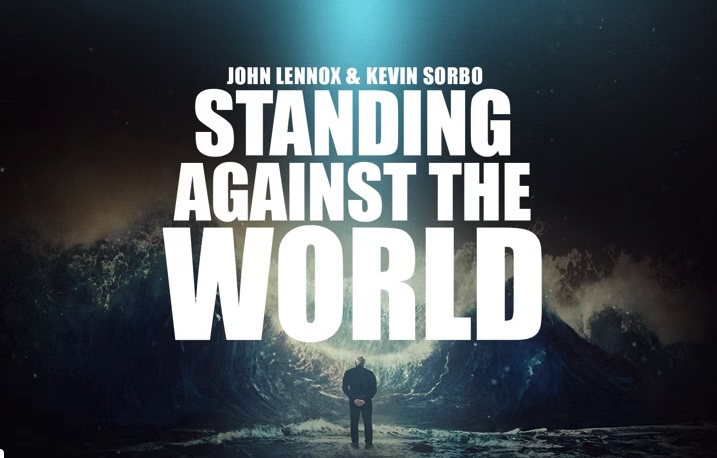
Standing Against the World: A Film for Faith, Family, and the Fight for Truth

Faith isn’t just something we whisper about in quiet moments, it’s something worth standing up for in a culture that often questions everything we hold dear. That’s exactly the journey Standing Against the World invites us to take.

Beginning February 11, 2026, Standing Against the World will be streaming on FaithAndFamilyFlicks.com, bringing a powerful message to families, churches, ministries, and anyone wrestling with the big questions of faith and truth.


🎬 More Than a Film — It’s a Call to Courage

At its core, Standing Against the World isn’t just a documentary, it’s a faith mission on screen. Hosted by acclaimed actor and producer Kevin Sorbo and scholar Professor John Lennox, the film travels to universities and even to Israel to explore one of the biggest challenges facing believers today: how do we defend the Christian faith with both heart and reason?

The film tackles a sobering reality: many young adults today are turning away from biblical truth, citing evolution and skepticism as reasons to doubt the reliability of Scripture. This film doesn’t shy away from that conversation, it confronts it head-on.

In exploring the evidence for faith, from science to history, Kevin and Professor Lennox dig into real questions people are asking, inviting viewers into a journey of discovery, not just belief.


🎤 Insights from My Interview with Kevin Sorbo

When we sat down with Kevin for Two Pastors, Popcorn and a Movie Podcast, what stood out most wasn’t just his Hollywood background, it was his heart for people, especially younger generations.

Kevin shared how important it is not just to know what you believe, but to understand why you believe and to be equipped to share that with others. He spoke passionately about courage, conviction, and the need for Christians to engage thoughtfully with culture rather than retreat from it.

He talked about how meaningful it has been to work on projects that change lives, not just entertain. For Kevin, films like Standing Against the World are a way of carrying hope into spaces where people are wrestling with doubt, confusion, or simply curiosity.


🌍 Why This Film Matters Today

In an era where faith is often marginalized or misunderstood, Standing Against the World stands as a reminder that belief is neither blind nor outdated, it’s thoughtful, rooted in evidence, and deeply relevant.

This isn’t a film only for theologians or scholars. It’s a resource for:

  • Parents wanting to talk with their kids about faith
  • Church groups exploring apologetics
  • Friends curious about the relationship between science and Scripture
  • Anyone searching for meaning in a complex world

And because it’s now available on FaithAndFamilyFlicks.com starting February 11, you can watch it wherever your family gathers, whether that’s the living room, small group night, or youth group discussion.


📌 Stream It With Purpose

Films have the power to open hearts and spark conversation, but Standing Against the World goes beyond entertainment. It’s a tool, a conversation starter, and an invitation to explore faith with confidence.

We hope you’ll watch it, discuss it, and use it to help equip your family and community with the courage to stand firm, even when the world pushes back.

📅 Starts Streaming on https://faithandfamilyflicks.com/ — February 11, 2026

Dave Almgren – Two Pastors, Popcorn and a Movie Podcast


When Love Costs Something

Sometimes the most powerful stories are the ones told without words.

Forevergreen is a remarkable animated short film — brought to life by over 200 artists who donated their time and talent over five years — that tells its entire story without dialogue. It’s a visual and emotional journey about an orphaned bear cub who finds a home with a fatherly evergreen tree, only to be drawn away by temptation and danger before ultimately facing the choice of whether to return.

The film has captivated audiences at festivals around the world and is even nominated for an Academy Award® for Best Animated Short Film, a testament to its depth, artistry, and emotional resonance.

But beneath the handcrafted beauty and heart-tugging narrative lies something even more profound — a reflection of the mystery and cost of true love.


From Screen to Heart: Seeing Real Love in a Story

At first glance, Forevergreen may seem like a simple tale of friendship between a bear and a tree. But the deeper you watch, the more you realize this story isn’t just about nature — it’s about relationship, separation, consequence, and redemption.

The evergreen gives the bear a home and teaches it how to survive. But when the cub is tempted by easy rewards (symbolized in the film by trash and junk), it wanders into danger. Left to face the consequences of its choices, the bear must come to terms with what it has lost — and what it risks losing forever.

This narrative reflects something familiar to all of us: the struggle between what is easy and what is right, between temptation and wisdom, between self-interest and love.

“Forevergreen takes the powerfully moving truth of divine love and couches it in such an entertaining and emotional way…”
— Review quoted on the official film site.


True Love Is a Choice, Not Just a Feeling

Everyday life gives us countless echoes of the same theme.

  • A parent sacrificing sleep and personal plans to care for a sick child
  • A firefighter running into danger to rescue strangers
  • A friend showing up when it would be easier to stay away

These moments may be small and unseen, but they all share something important: love is not simply felt — it is chosen.

Sacrificial love requires us to deny ourselves, to face discomfort, to choose someone else’s well-being over our own convenience. That’s why these quiet acts resonate so deeply within us.


The Perfect Example: Jesus, the Sacrificial Love

All of the moments of love we see on screen or in everyday life point to a deeper truth — a love that is not learned from a script or born out of convenience, but lived out at a cost.

Jesus of Nazareth described this kind of love in the clearest terms recorded in Scripture:

“Greater love has no one than this: to lay down one’s life for one’s friends.”John 15:13

He didn’t just speak these words — He embodied them. At the cross, Jesus willingly laid down His life not for perfect people, but for flawed humanity. He chose sacrifice so that we might be restored, forgiven, and known. His was not a love of comfort — it was a love of cost.


The Moment Everything Became Clear

As Forevergreen unfolds, the story becomes more than just a charming animated journey — it becomes a mirror. It asks us:

  • What do we chase?
  • Who do we turn to when we are in danger?
  • What does love cost us — and what cost are we willing to pay?

And in that reflection, we see the truth Jesus taught us — that love is most deeply revealed not in ease, but in laying down what we hold most dear.

**There truly is…
no greater love.


Reflection & Prayer

Think about this:
Who in your life is God asking you to love sacrificially today?

Prayer:
Lord, help us to see love not as a feeling but as a choice. Teach us to lay down our lives in small ways that reflect Your great sacrifice for us. Give us courage to choose love over ease, and selflessness over comfort. Amen.

David Almgren – Two Pastors, Popcorn and a Movie Podcast and FaithandFamilyFilms.Com

God. Family. Football. A Life Story of Faith, Mentorship, and Legacy

I first met Pastor Denny Duron back in the 1990s at youth retreats in Oregon. Even then, long before God. Family. Football. existed on screens, there was something unmistakable about his passion — not just for football but for each young life he ministered to. That early impression has only deepened now that the world gets to see his story unfold on Amazon Freevee and Fox Nation.

From Quarterback to Pastor-Coach: A Life Built on Faith

Duron’s journey began on the football field long before there was a docu series. Born in 1952 in Texas, he was a standout quarterback at Louisiana Tech University, leading the Bulldogs to back-to-back Division II national championships in 1972 and 1973 and earning all-conference honors.

After a brief professional stint — including time in the World Football League and signing with the Washington Redskins — God’s calling took him out of the limelight and into ministry. It was that same sense of calling that later brought him back into football, but with a renewed purpose: using the game as a platform to mentor young men in faith, character, and life beyond the field.

Duron founded the football program at Evangel Christian Academy in Shreveport, Louisiana, and over decades the Eagles became a powerhouse — with numerous state championships and recognition as one of the nation’s top high school programs.

Today he wears many hats — pastor of Shreveport Community Church, chancellor of Evangel Christian Academy, coach, author, and communicator of faith — yet his message remains consistent: God first, family second, and football third.

The Series: Real Lives, Real Faith

God. Family. Football. premiered on Amazon Freevee in September 2023 and has since gained new life on Fox Nation, where Season 2 and beyond continue to follow the Eagles’ journey.

Unlike typical sports documentaries, this series isn’t just about wins and losses. Centered on the 2022 season, it highlights:

  • The emotional and spiritual growth of players
  • Real struggles off the field — family issues, personal goals, and pressures of adolescence
  • The profound impact of mentorship and community support

Through the cameras, viewers see what I saw in person all those years ago — a coach who genuinely cares about who his players become, not just how they perform.

Season 3, which premiered in August 2025 on Fox Nation, introduces new storylines — including rising quarterback Peyton “Pop” Houston and Damari “DayDay” Drake’s moving journey through family reconciliation — reinforcing that this isn’t just about football, but life’s victories and setbacks.

Why This Story Matters

What sets God. Family. Football. apart is its heart. Yes, there are incredible athletic moments and dramatic Friday night lights. But at its core is a message about faith-first living — a principle I witnessed firsthand from Pastor Duron decades ago. He’s not just coaching players. He’s shaping character. He’s modeling resilience. He’s pointing to a purpose bigger than any scoreboard.

And that’s what keeps audiences coming back season after season. Viewers resonate with the idea that football is real, but faith and family are deeper still.

David Almgren – Two Pastors, Popcorn and a Movie Podcast
Do Your Sheep Know Your Voice?

In the hills of Bethlehem, a young shepherd named David tended his father’s sheep. It may not have been the job he would have chosen for himself, long hours, isolation, and the constant threat of predators—but it was the role he was given. Commissioned by his father Jesse, David accepted his assignment with humility and diligence. In doing so, he revealed something powerful about leadership and care that still speaks to us today: a true shepherd knows his sheep, and his sheep know his voice.

David wasn’t just a caretaker; he was a guardian and a servant. Scripture paints a picture of a young man whose heart was fully engaged in the task before him. When one sheep strayed, David didn’t shrug it off as a minor loss, he went after it. He left the ninety-nine to rescue the one. That relentless pursuit reflects the very heart of God, who values every individual soul and never stops calling us home.

Imagine the moment when that lost sheep, frightened and alone, heard the familiar voice of its shepherd echo across the hillside. It wasn’t the voice of a stranger, it was the voice it trusted. The sheep recognized David’s call and followed it back to safety. That image beautifully captures the kind of connection every leader, pastor, and teacher should seek to build with those they lead.

But shepherding also teaches us something profound about how a leader leads.
A bad shepherd leads from behind, pushing and driving the sheep with pressure and fear. But a good shepherd leads from the front, guiding the flock with confidence, clarity, and presence. When the shepherd is in front, the sheep move forward not because they are forced to, but because they trust the one who is leading them.

And in ancient shepherding culture, young or inexperienced shepherds didn’t learn their role by textbooks or trial and error. A young apprentice shepherd would stay close to the seasoned shepherd, walking beside him day after day. The sheep would see the apprentice right next to the trusted shepherd and, over time, would come to recognize him as well. His authority didn’t come from a title or position, it came from proximity.
The same is true in ministry and leadership. Those who aspire to shepherd others well must spend time near those who already do. The flock learns to trust emerging leaders when they first see them walking in step with those they already know and follow.

As a former kids pastor, I’ve come to see how vital this principle is to ministry. Children, much like sheep, respond not only to what we say but to how well they know us. They listen to voices that are consistent, caring, and familiar. Developing that level of trust takes time, intentionality, and heart. It means showing up, staying engaged, and investing deeply in the lives of those God has placed under your care, and for new leaders, it means staying close enough to seasoned shepherds that children can see they are part of the same trusted team.

There’s another layer of shepherding that’s often overlooked. In ancient times, shepherds used oil to care for their sheep in a practical, protective way. During certain seasons, insects and parasites would attack a sheep’s head and burrow near its eyes and ears, causing irritation, infection, and even death. To protect them, the shepherd would pour oil over the sheep’s head, soothing their wounds and keeping pests away. This simple act of care not only protected the sheep’s health, it also brought them peace.

Spiritually speaking, this picture holds deep significance for anyone called to shepherd others, especially children and families. The “oil” represents the presence and anointing of the Holy Spirit, God’s healing and protective covering. When we take time to pray over our children, encourage their families, and create environments filled with God’s peace, we’re applying spiritual “oil.” We’re helping shield them from the distractions, lies, and “bugs” of this world that seek to cause harm or confusion.

Being a shepherd isn’t glamorous. It requires patience, vigilance, and compassion. It means standing between your flock and the forces that would harm them—whether those threats come in the form of spiritual distraction, discouragement, or doubt. But when your flock knows your voice, when they can sense your love and your faithfulness—they will follow you to safety and growth.

This December 19th, 2025, the animated movie David hits the big screen, offering a vivid and inspiring look at the young shepherd who would one day become Israel’s greatest king. It’s a story of courage, faith, and obedience, a reminder of what it means to lean into the assignments God gives us, even when they seem small or unseen.

As ministry leaders, parents, or mentors, we’re all shepherds in one way or another. We’re called to care for those entrusted to us, to know them by name, and to make our voices familiar and life-giving. And, like the apprentice shepherd, we are also called to learn from those ahead of us, so that in time, others may come to recognize our voice as well.

May we, like David, embrace our calling with humility and persistence.
May we lead from the front, not from behind.
May we walk beside seasoned shepherds as we grow.
May we continually anoint our flock with the oil of prayer, encouragement, and the Spirit’s presence. And may our “sheep” always recognize our voice, a voice that leads them safely home.

David Almgren – Two Pastors, Popcorn and a Movie Podcast