
Why Young Washington Is the Must-See Independence Day Movie of 2026

This is one of those rare film announcements that makes you stop, reflect — and get genuinely excited about what storytelling can do. Young Washington isn’t just another historical movie; it’s a bold, inspiring story about the early life of George Washington, coming to theaters July 4th weekend, 2026, right in time for America’s 250th birthday.
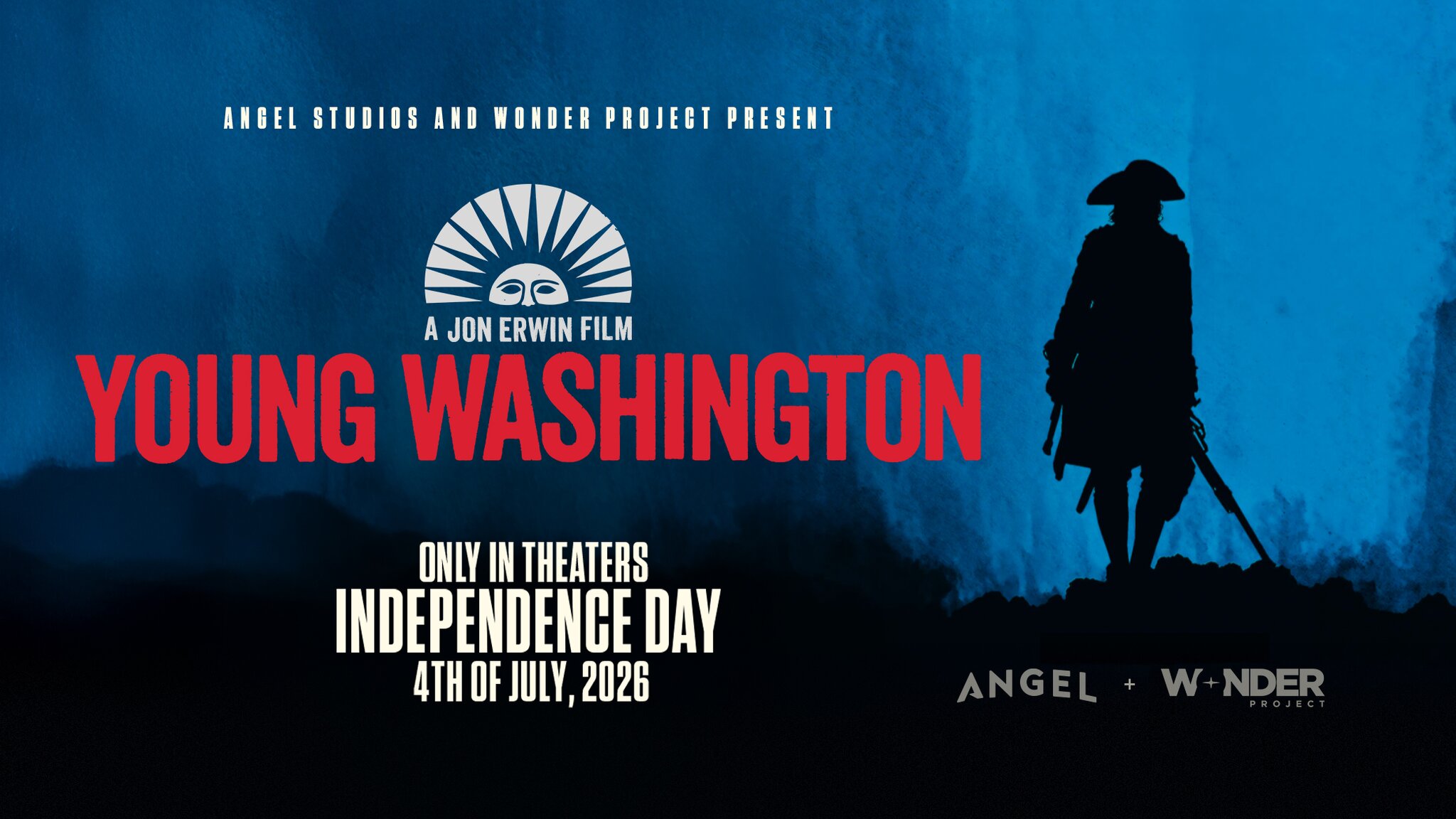
What makes this project truly special is the partnership between Wonder Project and Angel Studios — two companies committed to uplifting, meaningful cinema that resonates with families and communities across the country.

🎖️ A Story Rooted in Courage and Character

Young Washington explores a side of George Washington few of us have seen on the big screen — his formative years, before he became Commander-in-Chief and the first President of the United States. At 22 years old, Washington makes a choice that ignites the French and Indian War, forcing him to confront failure, grow in character, and discover the courage that would define his legacy.

This is more than a “founding father biopic.” It’s a story of resilience, leadership, and transformation — themes that resonate with audiences today, especially families, educators, and anyone looking for stories with depth and heart.

🎥 Meet the Team Behind the Film

The movie is directed by Jon Erwin, known for powerful films like Jesus Revolution and I Can Only Imagine, co-written by Erwin with Tom Provost and Diederik Hoogstraten, and produced alongside Chip Diggins.

Angel Studios, the distributor, is known for its grassroots approach to storytelling — driven by a community of more than 1.5 million members who champion stories that “amplify light to mainstream audiences.”

On the Wonder Project side, the collaboration reflects their mission to entertain the world with courageous stories that inspire hope and restore faith in things worth believing in.

🎭 A Cast Bringing History to Life

The film’s cast includes rising star William Franklyn-Miller as Young George Washington, joined by memorable talents like Mary-Louise Parker, Kelsey Grammer, Andy Serkis, and Sir Ben Kingsley. These actors bring depth and gravitas to the story, ensuring this isn’t just educational — it’s emotionally engaging and cinematic in scale.

🎟️ A New Model for Fan Engagement

In a bold and unprecedented move, tickets for Young Washington went on sale a full year before its theatrical release — even before filming began. This early ticket availability isn’t just about reserving a seat; it’s a way for audiences to show theaters and the industry that there is real demand for thoughtful, values-driven films that celebrate history and human character.

Angel’s ticketing platform even lets fans change the date and time of their ticket closer to release — giving flexibility and empowering early supporters.

📅 Mark Your Calendar

Young Washington opens in theaters over Independence Day Weekend, 2026 — a cinematic holiday celebration timed with America’s 250th anniversary. This film is poised not just to entertain, but to spark conversation in homes, classrooms, and church communities across the nation.


As someone passionate about faith, family, and films that uplift, Young Washington feels like more than a movie — it’s a cultural moment. Makes plans to experience Young Washington in theaters July 4th, 2026 – Click this link for details on how to purchase tickets early.

David Almgren – Two Pastors, Popcorn and a Movie Podcast
The Power of Story – “mo’olelo”

A few nights ago, I encountered someone whose very presence was a story in itself: a man who is 104 years old, born in 1920. It’s remarkable to think about what this man has lived through. In over a century of life, his story has likely been shaped by historic changes, cultural shifts, and countless personal experiences. His existence sparked a larger contemplation for me—what is his story, and how has it shaped him?

This reflection extended to everyone I saw that night while walking through the park in Waikiki. People passed by, some sitting on the grass, others strolling along the pathways. Each person carried with them their own narrative. Did they grow up in Hawaii, or did they move here? What led them to this specific moment in time? Do they know Jesus? Their stories, though perhaps less known than those of public figures or historical icons, are no less significant. Every person’s life is a mosaic of experiences, decisions, and encounters, and in Hawaiian culture, storytelling plays a crucial role in recognizing this.

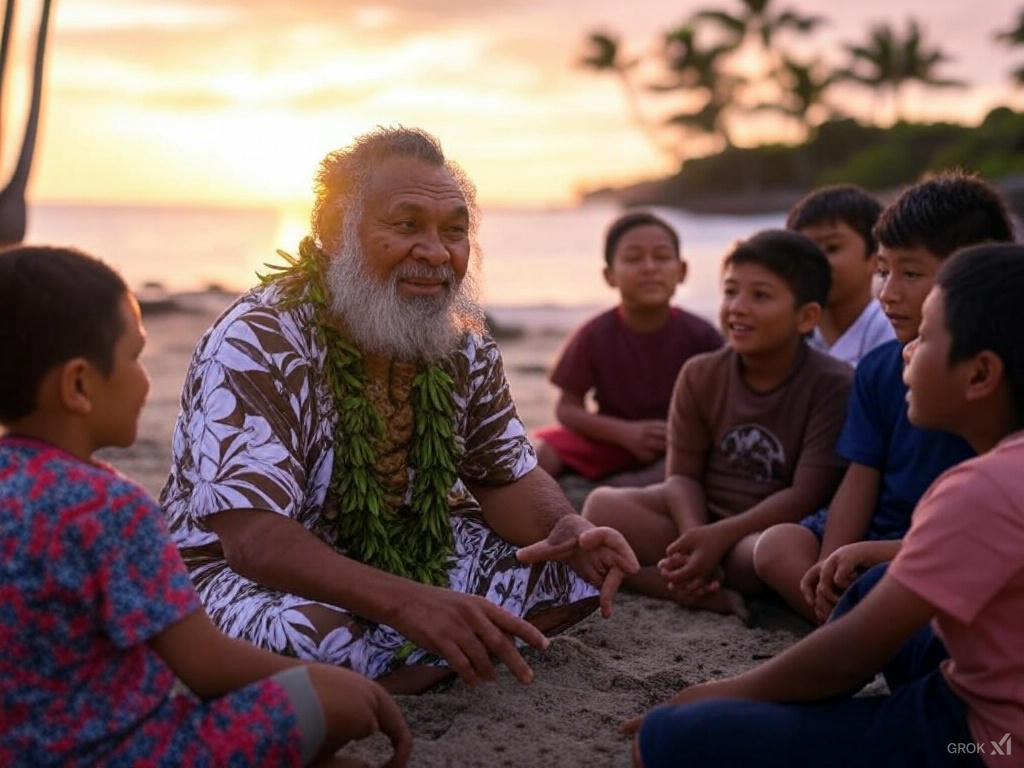
In traditional Hawaiian society, storytelling was an oral art form, passed down through generations in the form of “moʻolelo” (narratives) and chants. These stories weren’t just for entertainment; they were the primary way to preserve history, cultural practices, and moral lessons. Storytelling connected people to their ancestors and the land. While the medium of storytelling has expanded —from oral traditions to written word, to digital media —the core purpose remains the same: to communicate, to connect, and to remember.

Today, storytelling often takes place on the big screen. Films have become one of the most powerful mediums for sharing stories on a grand scale. True-to-life narratives, whether they depict historical events or personal struggles, have the ability to deeply move audiences. Films can evoke emotions, challenge perspectives, and inspire change. In many ways, they help individual stories become universal. The films we watch are not only entertainment—Movies like ‘The Best Christmas Pageant Ever’ or the soon to be released animated movies “David” and The King of Kings‘. They are reflections of human experience.

But what is it that makes certain stories land on the big screen? What elevates some narratives to global recognition while others remain untold? It’s worth considering that even though some stories get the spotlight, every narrative holds value. The elderly man in the park, the runner passing by, the quiet onlooker at the café —each story holds meaning. Yet, for some, the stage is larger, and their stories resonate more broadly.

However, it’s not the size of the audience that determines the value of a story—it’s the impact it has on those who hear it. In the realm of faith, storytelling also plays a central role. Churches have long been places where the greatest stories are shared—stories of hope, redemption, and transformation. The story of Christ is a narrative of profound significance, and the ways in which it’s communicated continue to evolve. Just as we use modern media to tell personal stories, we can also use these tools to share messages of faith.

Ultimately, stories are bridges. They connect us to others, allow us to understand different perspectives, and inspire us to think beyond ourselves. Whether told in a park, in a church, or on the big screen, stories have the power to make people feel heard, valued, and part of something larger.

Dave Almgren – The Movie Guy and Co Host of Two Pastors, Popcorn and a Movie Podcast.