
Some songs don’t just play in the background — they stay with you. They surface in quiet moments, in grief, in gratitude, in worship. “I Can Only Imagine” is one of those rare songs.
When MercyMe’s Bart Millard first wrote it, he wasn’t chasing a hit. He was processing a lifetime of pain, forgiveness, and redemption — especially the complicated relationship with his father that would ultimately shape the song’s meaning. What followed was something no one could have predicted. “I Can Only Imagine” became one of the most-played and best-selling Christian songs of all time, earning multi-platinum status and embedding itself into the lives of listeners around the world.
Years later, that song became a story on the big screen. In 2018, I Can Only Imagine arrived in theaters as a modest, faith-based independent film — and quietly became a phenomenon. Word of mouth carried it from church groups to mainstream audiences, eventually driving the film to nearly $86 million worldwide. For many viewers, it wasn’t just a movie night. It was a deeply personal experience — one that reminded them of their own journeys with faith, family, and forgiveness.
Now, that story is finding new life once again.
As anticipation builds for I Can Only Imagine 2 — opening in theaters nationwide on February 20, 2026 — the song that started it all is resonating with a new generation of listeners. And unexpectedly, that resurgence has been fueled by a familiar voice from an entirely different world.
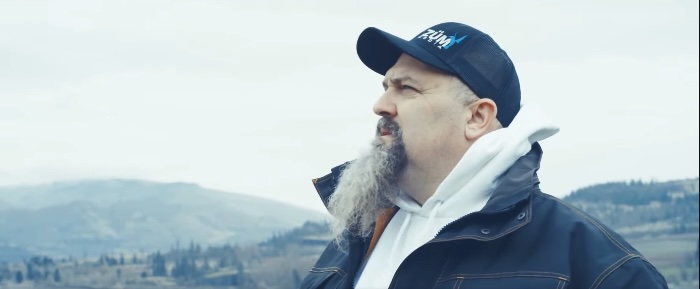
Todd Hoffman — known to many from Gold Rush — recorded a heartfelt cover of “I Can Only Imagine” for the first film’s online promotion. There were no grand expectations. Just a simple performance, grounded in sincerity. And once again, people leaned in.
The video began spreading organically. On YouTube, it climbed past 2.7 million views, carried not by algorithms alone but by people sharing it with intention. On Facebook, the response was immediate and emotional — surpassing one million views in less than two days, and continuing on to more than 10 million plus views as friends tagged friends and families shared it with their own reflections attached. The song didn’t stay in one place; it moved through timelines, private messages, and comment sections filled with personal stories.
Instagram echoed that momentum in its own way. Clips tied to the song and the upcoming sequel sparked strong engagement, with fans stopping mid-scroll to listen, reflect, and respond. And on Twitter, the video traveled through retweets and reactions — short, simple posts that said everything a metric couldn’t: this still matters.
But the most telling response wasn’t in the numbers.
It was in the comments.
People described the cover as beautiful. Inspiring. Exactly what I needed today. Others admitted it brought them to tears, or gave them chills hearing a familiar song through a new voice. Many paired the music with their excitement for the sequel — sharing memories of what the original film meant to them and anticipation for what’s coming next.
That reaction reveals why this story endures.
I Can Only Imagine has never been just about a song or a movie. It’s about what happens when honesty meets hope — when brokenness finds grace. The original film told the story of how a painful past gave birth to a powerful message. The upcoming sequel continues that journey, carrying forward the same heart, faith, and emotional truth that audiences connected with the first time.
As I Can Only Imagine 2 prepares to open in theaters nationwide on February 20, 2026, the renewed response to the song — and to Todd Hoffman’s cover — feels less like nostalgia and more like a reminder.
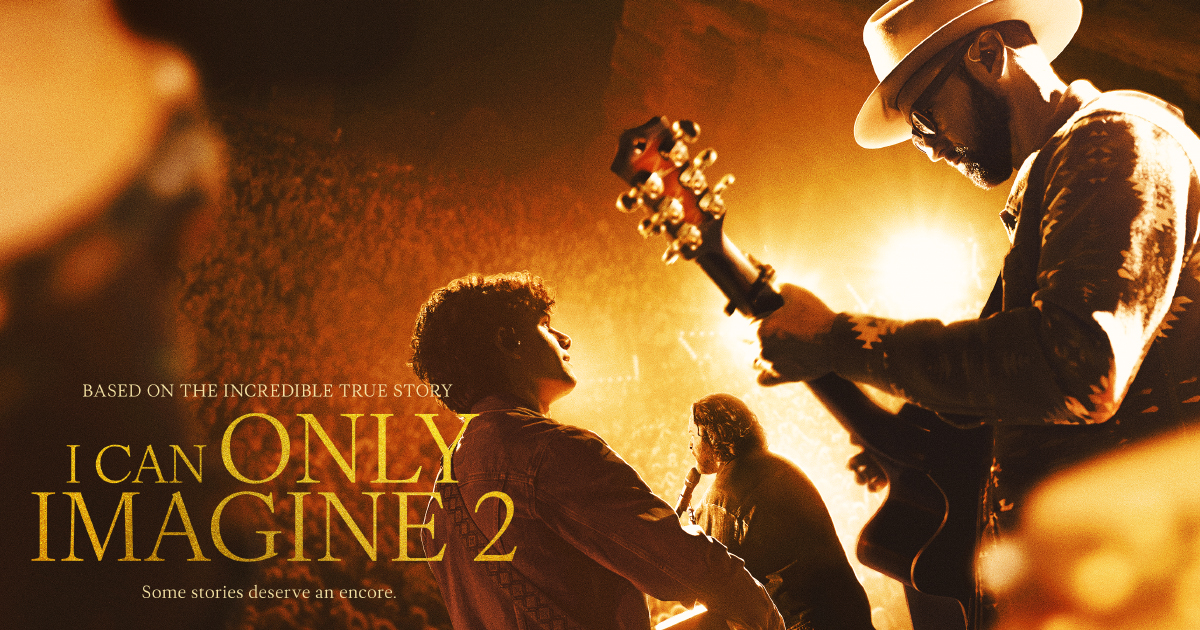
Some stories don’t fade. They wait for the right moment to be heard again.
Whether through a song, a cover, or a seat in a movie theater, I Can Only Imagine continues to invite us to pause — to reflect — and to imagine something greater, together.
Dave Almgren – Two Pastors Popcorn and a Movie Podcast

 Faith and Family Flicks News and Notes